Blog Details

Coastal Australia: Navigating Tides, Tastes, and Travels

Blue Horizons: The Strategic Resurgence of Australia’s Coastal Economy

Australia’s identity is inextricably linked to the rhythm of the tides. With a coastline stretching over tens of thousands of kilometers, the nation sits atop a liquid goldmine that transcends mere aesthetic value. Historically, these shores were the primary gates for trade, but today, they are the engines of a sophisticated economic revival. This “Blue Economy” is not just about catching fish; it is a complex ecosystem where technology, sustainability, and gastronomy intersect to create a resilient financial landscape. From the quiet estuaries of Tasmania to the tropical reaches of the Northern Territory, the coastal advantage is being harnessed to rejuvenate regional communities and redefine the national export profile.

The Bivalve Boom: Scaling the Oysters Market in Australia

Perhaps no sector illustrates the shift from basic harvesting to premium branding better than the Oysters Market in Australia. Once a humble local staple, the Australian oyster—be it the creamy Sydney Rock, the robust Pacific, or the rare Angasi—has become a symbol of culinary luxury. This market is currently experiencing a period of unprecedented capital infusion and technological adoption. Modern oyster farmers are no longer just “farmers”; they are stewards of marine biology, utilizing automated grading systems and real-time water quality monitoring to ensure a product that meets global “sashimi-grade” standards.

The growth within the Oysters Market in Australia is a direct response to a more sophisticated consumer palette. Diners are no longer satisfied with “just an oyster”; they demand provenance. They want to know the salinity of the water and the specific bay where the mollusk was raised. This transparency has allowed local producers to command premium prices, turning coastal towns into high-value economic hubs. By focusing on low-impact, high-output aquaculture, the industry is proving that environmental health and profit margins are not mutually exclusive.

Boutique Modernization: The New Face of Seafood Retailers Australia

The bridge between the ocean’s bounty and the consumer’s plate is being rebuilt by Seafood Retailers Australia. The traditional model of the local fish shop is undergoing a dramatic metamorphosis. Today’s premier Seafood Retailers Australia are evolving into experiential boutiques where education is as important as the transaction. These retailers are the frontline ambassadors of the “catch-to-cook” movement, providing shoppers with detailed information regarding the sustainability of their purchase and the specific fisherman who hauled the net.

This sector has seen a significant shift toward value-added products. Rather than selling raw fillets alone, Seafood Retailers Australia are increasingly offering chef-prepared meals, specialized shucking services for the Oysters Market in Australia, and curated seafood platters that rival high-end restaurant offerings. This pivot toward “retail-tainment” has insulated the sector against broader economic fluctuations, as consumers increasingly view high-quality Australian seafood as an affordable luxury or a healthy necessity rather than a rare indulgence.

Logistical Architecture: The Power of Seafood Wholesalers Australia

Behind the scenes, the invisible hands of Seafood Wholesalers Australia ensure that the delicate “cold chain” remains unbroken. The sheer geography of Australia presents a logistical challenge that would be insurmountable without a high-tech wholesale network. Seafood Wholesalers Australia have moved far beyond the role of mere middlemen; they are now the primary drivers of innovation in the supply chain. By investing in cryogenic freezing technologies and blockchain-enabled tracking, they ensure that a fish caught in the Great Australian Bight can appear on a Melbourne dinner table within 24 hours in peak condition.

The economic stability of coastal communities relies heavily on these wholesalers. By providing consistent market access and price stability, Seafood Wholesalers Australia allow small-scale commercial fishers and aquaculture startups to plan for the long term. Their ability to aggregate volume also makes them the gateway to international markets, ensuring that the Oysters Market in Australia can effectively compete in the lucrative dining rooms of Tokyo, Singapore, and New York.

The Sustainability Mandate: Protecting the Coastal Legacy

The revival of the coastal economy is built on a foundation of “restorative growth.” Unlike the industrial booms of the past, the current expansion of the Oysters Market in Australia and the supporting retail networks is dictated by strict environmental protocols. Sustainability is no longer a marketing buzzword; it is a survival strategy. Producers are increasingly adopting zero-waste policies and carbon-neutral farming techniques, recognizing that a degraded environment is a bankrupt business model.

Government regulations and industry-led initiatives have created a world-class framework for resource management. When Seafood Retailers Australia promote “sustainably sourced” products, they are backed by rigorous third-party certifications that give the consumer confidence. This commitment to the environment does more than protect biodiversity; it builds brand equity for Australian seafood on the global stage, positioning the country as a leader in responsible oceanic commerce.

Culinary Culture and the Community Ripple Effect

The economic impact of these industries radiates far beyond the docks. The strength of the Oysters Market in Australia has birthed a new wave of “gastro-tourism.” Coastal towns that once struggled with seasonal unemployment now host year-round seafood festivals, attracting thousands of visitors who spend money on local accommodation, transport, and artisanal crafts. Chefs are the new storytellers, using local ingredients to create a distinct Australian coastal cuisine that celebrates the diversity of our waters.

As Seafood Wholesalers Australia expand their operations, they create high-skilled jobs in logistics, biotechnology, and food science. This prevents “brain drain” from regional areas, allowing young professionals to find meaningful, high-paying work in their hometowns. The synergy between the producers, the Seafood Retailers Australia, and the local community creates a circular economy where wealth is generated, spent, and reinvested locally, ensuring that the coastal advantage remains a permanent fixture of Australia’s economic future.

Summary of the Coastal Economic Revival

The Australian coastline has transitioned from a picturesque backdrop into a powerhouse of sustainable economic activity. Driven by a sophisticated Oysters Market in Australia, the industry is characterized by high-tech aquaculture and a focus on premium provenance. The retail landscape is being redefined by Seafood Retailers Australia who act as educators and purveyors of luxury experiences. Supporting this entire structure are Seafood Wholesalers Australia, whose logistical expertise bridges the gap between regional producers and global consumers. Anchored by a fierce commitment to sustainability and community growth, this coastal revival ensures that Australia’s marine resources remain a cornerstone of national prosperity for generations to come.

FAQ: Navigating the Australian Coastal Economy

  1. Why is the Oysters Market in Australia considered a “growth leader” in the seafood sector?The Oysters Market in Australiahas moved away from high-volume, low-value production toward a “premium-tier” model. By focusing on specific regional flavors (merroir) and implementing world-class biosecurity and grading standards, Australian producers have created a luxury product. This shift allows for higher profit margins even with smaller, more sustainable harvests, making it a highly attractive sector for investors and regional developers.
  2. How do Seafood Retailers Australia contribute to marine sustainability?Seafood Retailers Australiaserve as the vital link between science-based regulations and consumer behavior. By selectively stocking certified sustainable species and educating the public on “lesser-known” but abundant fish varieties, they reduce the pressure on overfished stocks. Their transparency regarding sourcing encourages the entire supply chain to adhere to ethical practices, as consumers increasingly vote with their wallets for environmentally responsible options.
  3. What role do Seafood Wholesalers Australia play in maintaining price stability for consumers?Seafood Wholesalers Australiaact as a buffer in a highly volatile market. Harvests are often affected by weather, seasonal cycles, and environmental changes. Wholesalers use their extensive storage infrastructure and diverse sourcing networks to ensure a steady supply of seafood throughout the year. By managing the inventory and logistics, they prevent drastic price spikes at the counter of your local Seafood Retailers Australia, making fresh seafood more accessible to the average household.
  4. How has technology impacted the Oysters Market in Australia recently?Technology has revolutionized the “farm-to-entry” process. Producers in the Oysters Market in Australianow use AI-driven sensors to monitor water salinity, temperature, and phytoplankton levels, allowing them to predict growth rates and health issues before they occur. Additionally, blockchain technology is being used to provide “digital passports” for oyster batches, allowing a consumer at a restaurant to scan a QR code and see exactly when and where their oyster was harvested.
  5. Between retailers and wholesalers, who is driving the most innovation in the seafood industry?It is a collaborative effort. While Seafood Retailers Australiainnovate in consumer engagement and ready-to-eat product development, Seafood Wholesalers Australia lead the way in logistical and preservation technology. Wholesalers are currently pioneering carbon-neutral transport fleets and advanced packaging that extends shelf life without preservatives, while retailers are innovating in the digital space through “e-fishmonger” platforms and subscription-based seafood boxes.
  6. Does the growth of these coastal industries help regional employment?Absolutely. The expansion of the Oysters Market in Australiaand the supporting activities of Seafood Wholesalers Australia provide a diverse range of jobs. This includes maritime operations, factory processing, cold-chain logistics, and administrative roles. Furthermore, the “halo effect” of a thriving seafood industry boosts tourism and hospitality, creating a robust local economy that is less dependent on traditional urban centers.

7. Is the Australian seafood industry prepared for future environmental challenges? The industry is arguably one of the most proactive in the world. Because the success of Seafood Retailers Australia and the Oysters Market in Australia depends entirely on clean, healthy water, the sector is at the forefront of climate advocacy and environmental protection. From oyster shells being used to reef restoration to wholesalers reducing plastic waste in packaging, the industry is built on a model of resilience that prioritizes long-term ecological health over short-term gain.
The Rise of Seafood Suppliers in Australia and Innovative Catering Company in Sydney

Fresh Coastal Flavors Transform Sydney Dining Through Responsible Seafood Partnerships

Sydney dining culture enters vibrant coastal chapter today. Chefs seek pure ocean flavor daily. Partnerships grow with Seafood Suppliers in Australia. Creative planners collaborate with Catering Companies in Sydney. Menus celebrate tide harvest and careful sourcing. Diners welcome clear origin and bright taste. Local markets inspire mindful seafood storytelling. Coastal identity guides modern Sydney hospitality vision. Fresh ocean ideas rise.

Precision From Ocean To Kitchen

Cold chain craft protects delicate ocean harvest quality. Smart transport supports chefs across busy Sydney kitchens. Progress grows through Seafood Suppliers in Australia. Careful timing preserves flavor and firm texture. Reliable partners strengthen planning for grand events. Teams from Catering Companies in Sydney prepare dishes. Fresh arrivals inspire bold coastal cooking daily. Ocean respect guides every kitchen decision today always.

Events That Celebrate Coastal Flavor

Grand events highlight vibrant seafood culture tonight. Story driven menus honor coast heritage. Chefs present oysters grilled fish fragrant broths. Guests explore taste through elegant tasting stations. Creative hosts trust Catering Companies in Sydney. Seasonal catch arrives through Seafood Suppliers in Australia. Coastal aroma fills warm evening air. Shared tables build joyful food memories. Ocean stories travel from harbor kitchens.

Sustainability Guides Modern Menus

Ethical harvest shapes modern coastal dining philosophy. Conscious sourcing protects reefs waves future livelihoods. Transparent trade builds diner trust daily. Chefs celebrate sustainable catch with quiet pride. Green practice guides menu creativity tonight. Responsible fleets respect ocean rhythm seasons. Mindful kitchens honor sea life balance. Sydney diners support thoughtful coastal gastronomy. Shared responsibility sustains flavor heritage and vibrant harbor culture.

Sydney Sets A Global Coastal Standard

Sydney stands proud within global seafood conversation. Bold kitchens craft refined coastal identity daily. Harbor markets supply sparkling fresh catch. Skilled chefs shape elegant plates with care. Curious diners seek depth flavor and origin. Coastal creativity lifts city food reputation. Ocean spirit inspires future Sydney culinary journeys. Bright seafood traditions continue vibrant evolution. Dedicated communities celebrate sea harvest with gratitude.

Australia’s Seafood Markets: Culture, Taste & Sustainability

Tides, Tastes, and Traditions Shape Coastal Australia

Australia’s vast coastline does far more than frame the continent—it defines how people eat, trade, and connect with nature. With over 37,000 kilometers of shoreline, the country has evolved a seafood culture that blends ancient Indigenous knowledge, colonial trade routes, and modern sustainability science. At the heart of this relationship are the bustling Fish Market Australia experiences found across coastal cities and regional ports, where dawn landings, icy displays, and rapid-fire negotiations reflect the rhythm of the sea itself. These markets are not simply retail spaces; they act as cultural meeting points where fishers, chefs, scientists, and families converge. Alongside finfish, the Oysters Market in Australia showcases how geography and water quality shape flavor, while the Prawns Fish Market captures the festive, communal spirit of Australian summers. Together, these market spaces reflect how seafood in Australia is inseparable from place, history, and daily life.

Prawns and the Pulse of Australian Celebrations

Few foods are as emotionally charged in Australia as prawns. They symbolize summer holidays, beachside gatherings, and shared tables that stretch long into warm evenings. Within the Prawns Fish Market, variety is everything. King prawns are valued for their size and grilling strength, tiger prawns deliver sweetness with visual flair, and smaller school prawns offer affordability and nostalgia. What makes the Prawns Fish Market unique is its connection to both wild fisheries and advanced aquaculture systems. Australia has become a global leader in prawn farming technologies, using low-impact feed systems, water recycling, and disease monitoring to protect surrounding ecosystems. Seasonal availability also plays a role, with markets educating consumers on peak freshness periods. By the time prawns reach the Prawns Fish Market counter, they represent not just a meal, but a complex balance of science, tradition, and responsible harvesting.

Oysters as Edible Maps of the Coast

Oysters offer a quieter but deeply expressive seafood experience. In the Oysters Market in Australia, each shell tells a story shaped by currents, tides, and estuaries. Australian consumers increasingly appreciate oysters by origin, much like wine, recognizing differences driven by salinity, plankton density, and water temperature. Sydney rock oysters tend to be briny and bold, while southern varieties develop creamy textures and subtle sweetness. The Oysters Market in Australia also reflects innovation, with growers adopting off-bottom farming, solar-powered leases, and reef restoration projects that improve water quality. Unlike many seafood sectors, oyster farming actively enhances marine environments by filtering water and providing habitat. This makes the Oysters Market in Australia not just a place of commerce, but a showcase for how food production and ecological repair can coexist.

Sustainability and the Machinery Behind Freshness

Behind the visual abundance of seafood counters lies a carefully managed system designed to protect both quality and marine life. Modern Fish Market Australia operations rely on cold-chain logistics that move seafood from boat to buyer within hours, reducing spoilage and waste. Digital auctions, satellite tracking of vessels, and strict quota management now define the industry. The contemporary Fish Market Australia also places emphasis on transparency, with labeling that identifies catch zones, methods, and certification status. Consumers are increasingly informed, asking questions about bycatch, habitat impact, and seasonal sourcing. This shift has encouraged fisheries to align with global sustainability benchmarks while maintaining profitability. As a result, the Fish Market Australia model has become an example of how tradition can adapt to environmental realities without losing its cultural soul.

Markets as Cultural Classrooms and Future Guardians

Today, seafood markets are evolving beyond commerce into spaces of learning and community engagement. Cooking demonstrations, oyster shucking lessons, and sustainability workshops invite visitors to deepen their understanding of marine food systems. Indigenous voices are increasingly present, sharing knowledge that predates modern markets by thousands of years. These initiatives reinforce the idea that seafood is not just consumed, but respected. As climate change alters ocean temperatures and ecosystems, markets are stepping into advocacy roles—encouraging seasonal eating, supporting habitat restoration, and funding research. In doing so, Australia’s seafood markets act as guardians of continuity, ensuring that future generations can experience the same flavors, traditions, and coastal connections that define the nation today.

Australia’s Oceanic Delights: From Markets to Marine Heritage

Australia’s coastline, stretching over 37,000 kilometers, is not just a natural wonder but a cultural epicenter where the ocean’s bounty shapes daily life. Central to this marine narrative are the bustling Fish Market Australia, where the rhythm of the tides meets the pulse of commerce and tradition. These markets are more than places to procure seafood; they are living archives of Australia’s relationship with its seas. From the clamor of early-morning auctions to the artistry of fresh catches displayed on ice, they encapsulate the nation’s identity. Here, the Oysters Market in Australia offers a window into the unique merroir of coastal regions, while the Prawns Fish Market buzzes with the energy of summertime feasts. The convergence of culture, ecology, and gastronomy in these spaces is as rich as the ocean itself.

The Prawn Chronicles: Red Gold of Australian Waters

No seafood tale in Australia is complete without a spotlight on prawns. Revered for their succulence and versatility, they dominate the Prawns Fish Market and the nation’s culinary imagination. During summer, when barbecues ignite across the country, prawns take center stage. The Prawns Fish Market in bustling hubs like Sydney or Darwin is a kaleidoscope of color: King Prawns, with their plump, ruby-red shells, are prized for grilling, while Tiger Prawns, marked by their eye-catching stripes, deliver a sweet, briny bite. Smaller School Prawns, often enjoyed cold and peeled, evoke nostalgia at family gatherings. Yet prawns are more than a delicacy—they are a testament to Australia’s thriving marine ecosystems. Their abundance reflects sustainable practices, with fisheries certified by bodies like the Marine Stewardship Council ensuring long-term viability.

Oysters as Ambassadors of the Sea: A Taste of Place

While prawns capture the essence of communal joy, oysters speak to a more refined, almost poetic connection to the ocean. The Oysters Market in Australia is a stage where the concept of merroir—the oceanic equivalent of a wine’s terroir—comes to life. Each shellfish variety tells the story of its origin: Sydney Rock Oysters, briny and bold, reflect the salinity of their estuaries, while Tasmanian Pacific Oysters bloom with creamy, nutty flavors shaped by cold currents. In markets like Melbourne or Fremantle, growers often interact directly with customers, sharing how local water temperatures and mineral compositions influence taste. A visit to the Oysters Market in Australia is akin to a culinary journey, with each bite mapping out Australia’s coastal geography, from the crisp purity of Coffin Bay oysters to the rich, umami depth of Port Stephens varieties.

Sustainability: The Seafood Industry’s Silent Symphony

Beneath the vibrant displays and briny aromas lies a critical thread: sustainability. Australia’s Fish Market Australia is increasingly a beacon of eco-consciousness, with labels detailing catch methods, regions, and certifications. This transparency is a response to both consumer demand and environmental necessity. For instance, the Prawns Fish Market now prioritizes aquaculture techniques that minimize ecological impact, while wild-caught species adhere to strict quotas. Cold-chain logistics, which ensure peak freshness from boat to stall, also play a role in reducing waste. Markets in Brisbane and Perth showcase initiatives like “Seafood with a Story,” where vendors educate buyers about overfishing risks and climate change. This shift reflects a broader cultural ethos: that enjoying the ocean’s gifts requires stewardship.

From Dock to Plate: The Logistics Behind the Magic

The freshness synonymous with Australia’s seafood markets is no accident but the result of a meticulously coordinated system. Each morning, wholesale auctions kick off at 4 a.m., with buyers scrambling for the night’s catch. By midday, these marine treasures—whether King Prawns from Spencer Gulf or Tuna from the Coral Sea—are on retail counters, having traveled via air and road networks optimized for speed. For delicate products like oysters, temperature-controlled transport is non-negotiable. In major cities, the Fish Market Australia functions as a logistical hub, where Barra-mundi from the Northern Territory or Rock Lobsters from the south coast meet eager chefs and home cooks. This infrastructure ensures that Australia’s seafood remains a symbol of immediacy and quality, reinforcing the market’s role as a bridge between land and sea.

Markets as Cultural Laboratories: Cooking Up Community

Australia’s seafood markets are evolving into multifaceted cultural landscapes. Beyond the stalls, they now host cooking demonstrations, sushi-making classes, and even seafood pairing masterclasses. In Sydney’s Fish Market Australia, visitors can learn to fillet a Barramundi or craft a paella while in Perth’s Oysters Market in Australia, oyster shucking workshops offer hands-on lessons. These experiences transform markets into community hubs, blending education with culinary creativity. The Prawns Fish Market in Darwin, for instance, hosts Indigenous-led storytelling sessions that trace prawn fishing traditions through generations. Such initiatives not only celebrate Australian multiculturalism but also foster appreciation for the sea’s role in shaping national identity.

Guardians of the Tide: Preserving Future Feasts

As climate change and overfishing threaten marine ecosystems, seafood markets are stepping up as stewards of the future. Many Fish Market Australia venues now display real-time sustainability reports, while oyster growers in the Oysters Market in Australia experiment with carbon-neutral cultivation. Educational kiosks explain how to choose seasonal, locally sourced ingredients, and the Prawns Fish Market is championing hatchery programs to replenish wild stocks. These efforts are more than symbolic; they are part of a growing movement to ensure that Australia’s seafood heritage thrives. By marrying tradition with innovation, markets are proving that preserving the ocean’s gifts is as vital as enjoying them.

In the end, Australia’s seafood markets are microcosms of a nation deeply entwined with its seas. From the sizzle of prawns on a grill to the delicate taste of an oyster, each element reflects a culture that values the ocean not just as a resource but as a partner in life. Whether through bustling auctions, sustainability practices, or community-driven experiences, these markets continue to honor—and redefine—Australia’s marine legacy.

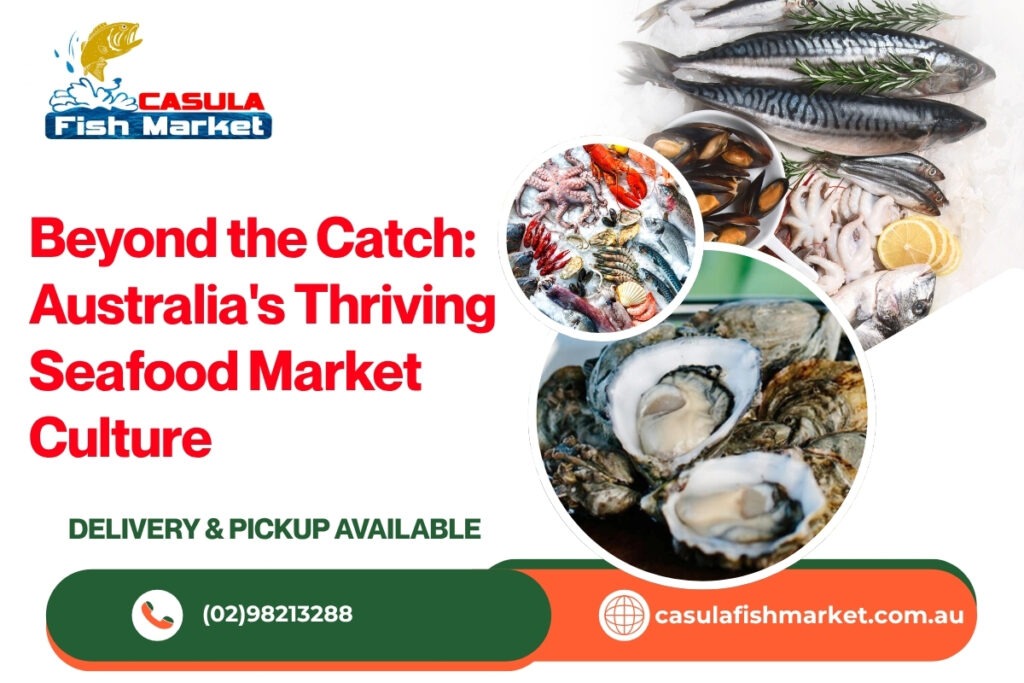
Beyond the Catch: Australia’s Thriving Seafood Market Culture

Australia’s Seafood Heartbeat

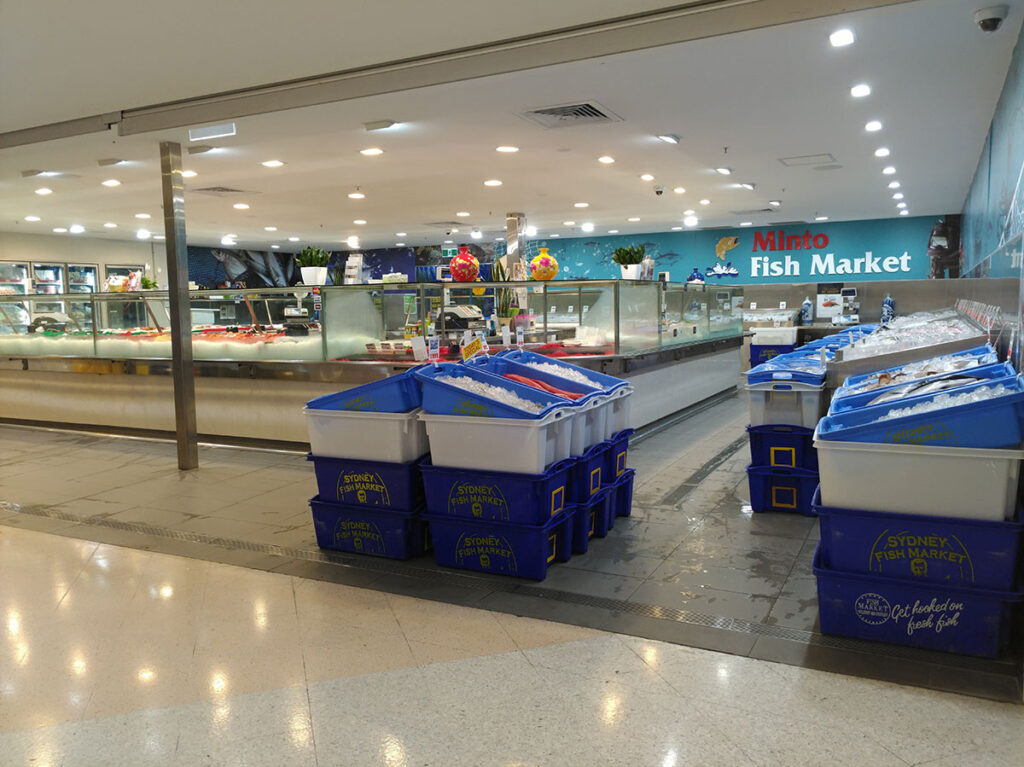
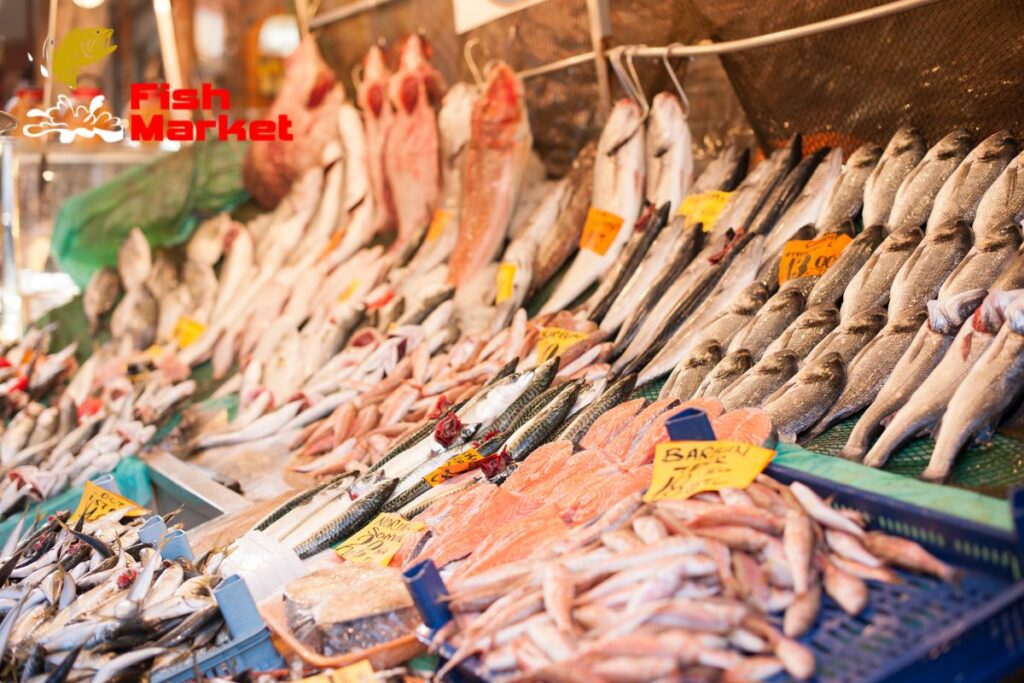
Australia, a vast island continent surrounded by nutrient-rich oceans, boasts a vibrant seafood culture deeply intertwined with its identity. At the very core of this maritime abundance lies the Fish Market Australia, not just a place of commerce but a pulsating hub where the sea’s bounty is celebrated, traded, and shared. These markets serve a crucial function, acting as the vital link connecting dedicated fishermen and aquaculture farmers directly to consumers, restaurants, and retailers nationwide. Walking into a prominent fish market is an immersive sensory experience; the air hums with activity, filled with the unique, invigorating aroma of fresh saltwater and iodine. The sights are equally captivating – vibrant displays of glistening fish in every imaginable shape and hue, mountains of ice holding plump, colourful prawns, and tanks bubbling with live crabs and lobsters. Beyond the visual, there’s the sound: the lively chatter of vendors and the excited murmurs of patrons discovering their next meal. These hubs provide a central point for accessing delicacies from the dedicated Oysters Market in Australia and the popular Prawns Fish Market sections.

The Briny Treasures of the Oyster Market

For many seafood aficionados, the sheer variety and quality offered within the Oysters Market in Australia are reason enough to visit. Australia is globally renowned for its pristine waterways and diverse oyster-growing regions, resulting in a spectrum of flavours that can range from intensely briny to subtly sweet and creamy. Prominent varieties include the iconic Sydney Rock Oyster, known for its firm texture and distinct mineral finish, and the larger, smoother Pacific Oyster. Exploring the oyster section is an educational journey. Vendors, often third or fourth-generation farmers, are passionate about their product and can guide visitors through the nuances of different growing locations, from Tasmania to South Australia. Tasting sessions are often available, allowing visitors to sample oysters from different regions side-by-side, truly appreciating the terroir of the sea.

A Celebration of Prawns and Shellfish

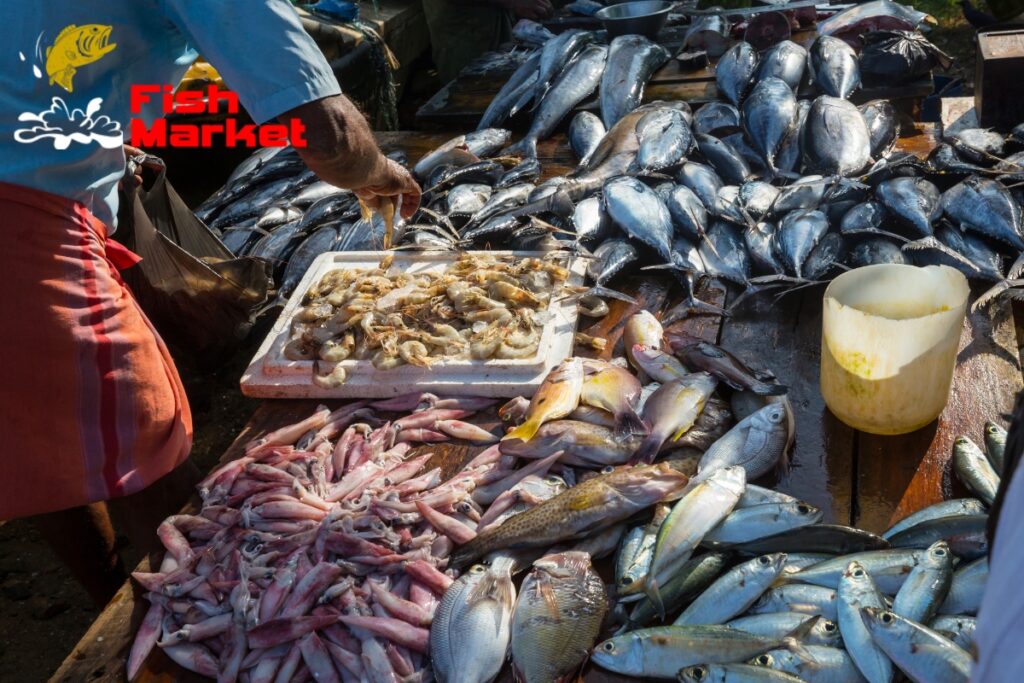
Among the most universally loved items at any Australian seafood market is the humble, yet utterly delicious, prawn. The Prawns Fish Market section is a vibrant, bustling area, often piled high with crustaceans ranging in size from small, sweet school prawns perfect for peeling and eating cold, to massive, majestic king prawns destined for the barbecue. Prawns hold a special place in Australian culinary culture, a staple of summer gatherings, holiday feasts, and everyday cooking. The market showcases a stunning array of species – from the striped beauty of Tiger Prawns to the vibrant red of Endeavour Prawns. This section frequently expands to include other popular shellfish like crabs (Mud Crabs and Blue Swimmers being common favourites) and rock lobsters, adding layers of luxury to the market’s offerings. The focus on freshness is paramount, guaranteeing the best possible flavour and texture.

The Wider World of Seafood Offerings

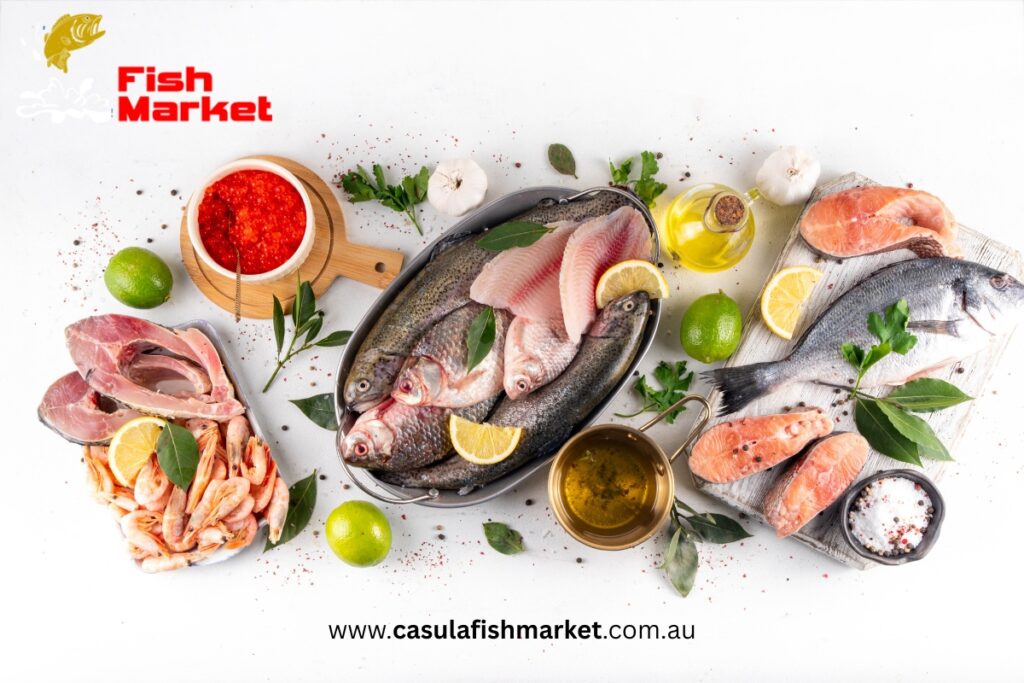
While oysters and prawns rightly attract considerable attention, the full spectrum of offerings at a Fish Market Australia extends far beyond these popular items, presenting a comprehensive showcase of the nation’s diverse marine ecosystems. Rows upon rows of finfish are meticulously displayed on ice, featuring iconic Australian fish like Barramundi and Snapper, alongside highly prized varieties such as Tuna, Salmon, Flathead, and Whiting. Knowledgeable vendors are adept at guiding customers, explaining the best cooking methods for each species and often offering filleting or gutting services on demand. Furthermore, modern markets have evolved to include a broader range of products. You’ll often find dedicated sections for molluscs like mussels and clams, as well as various forms of processed seafood, from smoked fish and pickled octopus to pre-prepared sashimi platters and fresh sushi counters.

The Vibrant Atmosphere and Lasting Impression

Visiting an Australian fish market is not merely a transactional event; it is a cultural immersion that captures the essence of Australia’s connection to the sea. The energy is palpable, a dynamic mix of vendors calling out prices, customers eagerly pointing to their desired cuts, and the constant hum of activity. It’s a place where community thrives, built on the shared passion for quality seafood. Regular customers build relationships with their favourite fishmongers, trusting their recommendations and learning about the seasonality of different species. This human connection fosters a greater appreciation for the journey food takes from the water to the plate, creating an experience that is authentic, educational, and deeply memorable for locals and tourists alike.

Sustainability: Securing the Ocean’s Future

In recent years, the conversation within these seafood hubs has shifted significantly towards sustainability. Acknowledging their role as custodians of the ocean’s resources, many vendors are now champions of responsible fishing and aquaculture. It is increasingly common to see signage indicating the origin of the seafood, whether it’s wild-caught or farmed, and certifications from bodies like the Marine Stewardship Council (MSC). This transparency empowers consumers to make informed choices that support healthy fish stocks and marine ecosystems. This commitment is particularly evident within the Oysters Market in Australia, where farmers understand that the pristine quality of the water is directly linked to the health and flavour of their product. By promoting sustainable practices, these markets are not just selling seafood; they are helping to secure the future of Australia’s oceanic bounty for generations to come.

More Than a Market: A Culinary Destination

The modern Australian fish market has evolved far beyond a place for simple retail. It has transformed into a comprehensive culinary destination that offers a complete food experience. Many larger markets now host a variety of on-site eateries, from casual fish-and-chip kiosks serving perfectly battered fillets to high-end restaurants with waterfront views. Visitors can savour freshly shucked oysters with a glass of champagne or enjoy a gourmet seafood platter just metres from where the ingredients were sold. Some markets have also become educational centres, offering cooking classes where aspiring chefs can learn how to fillet a fish, prepare sushi, or master the art of the perfect grilled prawn. These experiences, from a tasting tour of the Prawns Fish Market to a masterclass in seafood paella, elevate the market from a shopping trip to a day-out destination.

The Enduring Legacy of Australia’s Seafood Culture

From the boisterous auction floors to the gleaming retail displays, Australia’s fish markets are a vivid testament to the nation’s deep-seated love for the ocean. They are more than just places to buy food; they are vibrant, living institutions that reflect the country’s coastal lifestyle, its multicultural influences, and its growing commitment to sustainability. They offer a direct line to the source, closing the gap between the fisherman and the consumer in a way that is both engaging and enlightening. Whether you are a local on a weekly shopping run, a chef sourcing the finest ingredients, or a tourist seeking an authentic taste of Australia, the fish market offers an unparalleled experience that stimulates the senses and nourishes the soul, cementing its place as a cherished icon of Australian culture.

Ocean’s Bounty: Exploring the Vibrant Fish Market in Australia

Australia’s Seafood Heartbeat

Australia, a vast island continent surrounded by nutrient-rich oceans, boasts a vibrant seafood culture deeply intertwined with its identity. At the very core of this maritime abundance lies the Fish Market Australia, not just a place of commerce but a pulsating hub where the sea’s bounty is celebrated, traded, and shared. These markets serve a crucial function, acting as the vital link connecting dedicated fishermen and aquaculture farmers directly to consumers, restaurants, and retailers nationwide. Walking into a prominent Fish Market Australia is an immersive sensory experience; the air hums with activity, filled with the unique, invigorating aroma of fresh saltwater and iodine, a stark contrast to the mundane retail environments. The sights are equally captivating – vibrant displays of glistening fish in every imaginable shape and hue, mountains of ice holding plump, colourful prawns, and tanks bubbling with live crabs and lobsters. 

Beyond the visual and olfactory, there’s the sound: the lively chatter of vendors, the calls of auctioneers in wholesale sections (often unseen by retail customers but essential to the ecosystem), and the excited murmurs of patrons discovering their next meal. While famous examples like the Sydney Fish Market capture international attention, smaller, equally vital markets exist in cities and coastal towns across the country, each contributing to the rich tapestry of the Fish Market Australia network. This collective represents a commitment to delivering the freshest possible seafood, embodying the spirit of Australia’s connection to its oceans, and providing a central point for accessing delicacies from the dedicated Oysters Market in Australia and the popular Prawns Fish Market sections.

The Briny Treasures of the Oysters Market in Australia

For many seafood aficionados, the sheer variety and quality offered within the Oysters Market in Australia are reason enough to visit. Australia is globally renowned for its pristine waterways and diverse oyster-growing regions, resulting in a spectrum of flavours and textures that can range from intensely briny and robust to subtly sweet and creamy. Prominent varieties include the iconic Sydney Rock Oyster, known for its firm texture and distinct mineral finish, and the larger, smoother Pacific Oyster, often favoured for its plumpness. Exploring the Oysters Market in Australia provides more than just a procurement opportunity; it’s an educational journey. Vendors, often third or fourth-generation oyster farmers or experts, are passionate about their product. 

They can guide visitors through the nuances of different growing locations – hinting at the unique characteristics imparted by the waters of Tasmania, South Australia, or various estuaries along the New South Wales coast. Tasting sessions are often available, allowing visitors to sample oysters from different regions side-by-side, truly appreciating the terroir of the sea. The focus within the Oysters Market in Australia often extends beyond taste to sustainability. Many vendors proudly highlight their commitment to environmentally responsible farming practices, understanding that the health of the waterways directly correlates with the quality of their oysters. This dedication ensures that the future of the Fish Market Australia and its beloved oyster section remains secure, allowing generations to come to enjoy these briny treasures, whether slurped directly from the shell with a squeeze of lemon or incorporated into sophisticated culinary creations. The Oysters Market in Australia experience is a deep dive into one of the ocean’s most delicate and flavourful gifts.

A Celebration of Prawns and Shellfish at the Prawns Fish Market

Among the most universally loved items found at any respectable Fish Market Australia is the humble, yet utterly delicious, prawn. The Prawns Fish Market section is a vibrant, bustling area, often piled high with crustaceans ranging in size from small, sweet escuela prawns perfect for peeling and eating cold, to massive, majestic king prawns destined for the barbecue. Prawns hold a special place in Australian culinary culture, a staple of summer gatherings, holiday feasts, and everyday cooking. Their sweet, succulent flesh is incredibly versatile, lending itself equally well to simple preparations like grilling with garlic and herbs, boiling for seafood platters, or featuring as the star in curries, pastas, and salads. 

The Prawns Fish Market typically showcases a stunning array of species – from the striped beauty of Tiger Prawns to the vibrant red of Endeavour Prawns and the sought-after size of King Gold prawns. While certain species or sizes may have seasonal peaks, the market ensures a consistent supply, thanks to a combination of wild-caught and farmed options, sourced from various Australian waters. Visiting the Prawns Fish Market allows consumers to select exactly the quantity and size they need, often with the assistance of knowledgeable staff who can provide advice on preparation and cooking times. Beyond prawns, this section frequently expands to include other popular shellfish like crabs (Mud Crabs and Blue Swimmers being common favourites) and sometimes even rock lobsters, adding layers of luxury to the offerings of the wider Fish Market Australia. The focus on freshness is paramount; these prawns are typically caught or harvested and brought to market with incredible speed, guaranteeing the best possible flavour and texture, making the Prawns Fish Market a cornerstone of the Australian seafood experience.

The Wider World of Fish Market Australia Offerings

While oysters and prawns rightly attract considerable attention, the full spectrum of offerings at a Fish Market Australia extends far beyond these popular items, presenting a comprehensive showcase of the nation’s diverse marine ecosystems. Rows upon rows of finfish are meticulously displayed on beds of ice, featuring species that reflect the coastal and offshore waters they inhabit. You’ll find iconic Australian fish like Barramundi and Snapper, alongside highly prized varieties such as Tuna (often displayed as vibrant red cuts perfect for sashimi), Salmon, Flathead, and Whiting. The sheer variety is staggering, catering to every culinary preference and budget. Knowledgeable vendors at the Fish Market Australia are adept at guiding customers, explaining the best cooking methods for each species – recommending firm-fleshed fish for grilling, delicate fillets for steaming, or oily fish for smoking. 

Many markets offer convenient services like filleting or gutting on demand, making the process easier for home cooks. Furthermore, modern Fish Market Australia locations have evolved to include a broader range of products and services. You’ll often find dedicated sections for molluscs like mussels, clams, and scallops, as well as various forms of processed seafood, from smoked fish and pickled octopus to pre-prepared sashimi platters and fresh sushi counters, perfect for grab-and-go meals. The inclusion of hot food outlets selling classics like perfectly battered fish and chips allows visitors to sample the market’s freshness on the spot. This extensive selection, coupled with the expertise of the fishmongers who are passionate about quality and sustainability, ensures that the Fish Market Australia truly lives up to its reputation as a comprehensive seafood paradise, offering something for every taste and occasion, reinforcing its importance in the Australian culinary landscape.

The Vibrant Atmosphere and Lasting Impression

Visiting a Fish Market Australia is not merely a transactional event; it is a cultural immersion, a vibrant spectacle that engages all the senses and captures the essence of Australia’s connection to the sea. The energy is palpable from the moment you arrive, a dynamic mix of vendors calling out prices, customers eagerly pointing to their desired cuts, and the constant hum of activity as boxes of fresh catch are wheeled in. It’s an environment that feels authentic and alive, far removed from the sterile aisles of a supermarket. This atmosphere of controlled chaos is part of the charm, reflecting the fast-paced nature of bringing highly perishable goods from the ocean to table. 

For both locals and tourists, the Fish Market Australia offers an unparalleled opportunity to see, smell, and touch the freshest seafood available, fostering a greater appreciation for the journey it takes from the water to their plate. It’s a place where community thrives, built on relationships between fishermen, vendors, and loyal customers. The experience of selecting fresh shellfish from the Oysters Market in Australia or picking out the perfect prawns from the Prawns Fish Market becomes a memorable part of the day, an experience that transcends a simple shopping trip. As these markets continue to evolve, incorporating modern facilities, sustainable practices, and prepared food options while retaining their core focus on fresh, quality produce, they solidify their place as indispensable institutions. The enduring appeal of the Fish Market Australia lies in its ability to consistently deliver the finest seafood, celebrate the hard work of those who harvest it, and offer a truly authentic taste of Australia’s incredible ocean bounty, leaving a lasting impression on everyone who visits.

From Youtube Channel

What Our
Client Say's

Developed with love by PixelPro Designs © 2026