
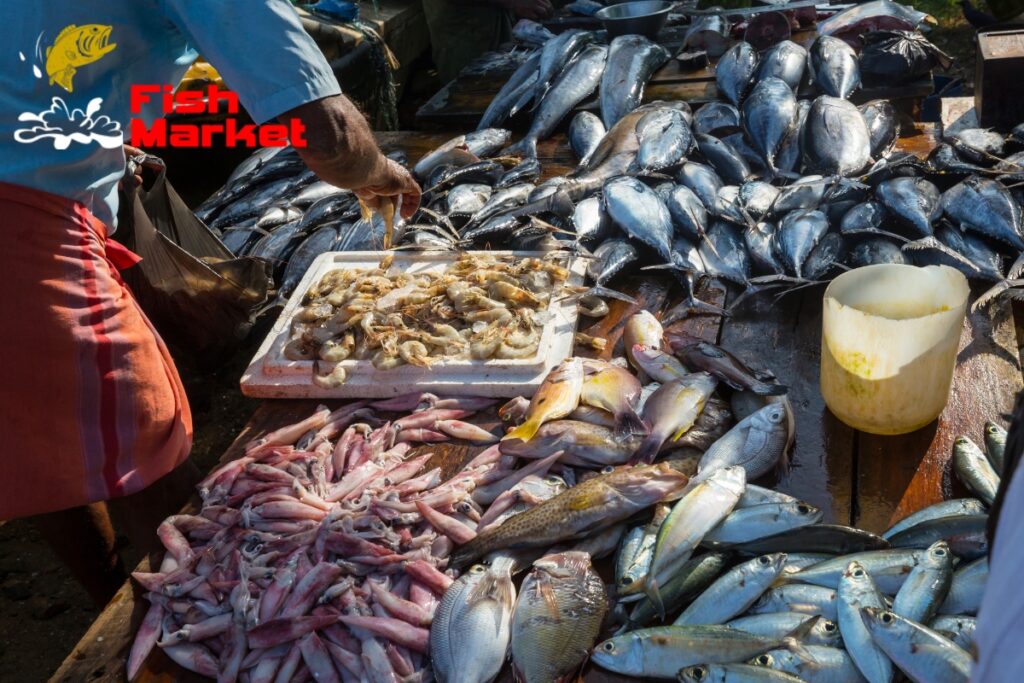
Blue Horizons: The Strategic Resurgence of Australia’s Coastal Economy
Australia’s identity is inextricably linked to the rhythm of the tides. With a coastline stretching over tens of thousands of kilometers, the nation sits atop a liquid goldmine that transcends mere aesthetic value. Historically, these shores were the primary gates for trade, but today, they are the engines of a sophisticated economic revival. This “Blue Economy” is not just about catching fish; it is a complex ecosystem where technology, sustainability, and gastronomy intersect to create a resilient financial landscape. From the quiet estuaries of Tasmania to the tropical reaches of the Northern Territory, the coastal advantage is being harnessed to rejuvenate regional communities and redefine the national export profile.
The Bivalve Boom: Scaling the Oysters Market in Australia
Perhaps no sector illustrates the shift from basic harvesting to premium branding better than the Oysters Market in Australia. Once a humble local staple, the Australian oyster—be it the creamy Sydney Rock, the robust Pacific, or the rare Angasi—has become a symbol of culinary luxury. This market is currently experiencing a period of unprecedented capital infusion and technological adoption. Modern oyster farmers are no longer just “farmers”; they are stewards of marine biology, utilizing automated grading systems and real-time water quality monitoring to ensure a product that meets global “sashimi-grade” standards.
The growth within the Oysters Market in Australia is a direct response to a more sophisticated consumer palette. Diners are no longer satisfied with “just an oyster”; they demand provenance. They want to know the salinity of the water and the specific bay where the mollusk was raised. This transparency has allowed local producers to command premium prices, turning coastal towns into high-value economic hubs. By focusing on low-impact, high-output aquaculture, the industry is proving that environmental health and profit margins are not mutually exclusive.
Boutique Modernization: The New Face of Seafood Retailers Australia
The bridge between the ocean’s bounty and the consumer’s plate is being rebuilt by Seafood Retailers Australia. The traditional model of the local fish shop is undergoing a dramatic metamorphosis. Today’s premier Seafood Retailers Australia are evolving into experiential boutiques where education is as important as the transaction. These retailers are the frontline ambassadors of the “catch-to-cook” movement, providing shoppers with detailed information regarding the sustainability of their purchase and the specific fisherman who hauled the net.
This sector has seen a significant shift toward value-added products. Rather than selling raw fillets alone, Seafood Retailers Australia are increasingly offering chef-prepared meals, specialized shucking services for the Oysters Market in Australia, and curated seafood platters that rival high-end restaurant offerings. This pivot toward “retail-tainment” has insulated the sector against broader economic fluctuations, as consumers increasingly view high-quality Australian seafood as an affordable luxury or a healthy necessity rather than a rare indulgence.
Logistical Architecture: The Power of Seafood Wholesalers Australia
Behind the scenes, the invisible hands of Seafood Wholesalers Australia ensure that the delicate “cold chain” remains unbroken. The sheer geography of Australia presents a logistical challenge that would be insurmountable without a high-tech wholesale network. Seafood Wholesalers Australia have moved far beyond the role of mere middlemen; they are now the primary drivers of innovation in the supply chain. By investing in cryogenic freezing technologies and blockchain-enabled tracking, they ensure that a fish caught in the Great Australian Bight can appear on a Melbourne dinner table within 24 hours in peak condition.
The economic stability of coastal communities relies heavily on these wholesalers. By providing consistent market access and price stability, Seafood Wholesalers Australia allow small-scale commercial fishers and aquaculture startups to plan for the long term. Their ability to aggregate volume also makes them the gateway to international markets, ensuring that the Oysters Market in Australia can effectively compete in the lucrative dining rooms of Tokyo, Singapore, and New York.
The Sustainability Mandate: Protecting the Coastal Legacy
The revival of the coastal economy is built on a foundation of “restorative growth.” Unlike the industrial booms of the past, the current expansion of the Oysters Market in Australia and the supporting retail networks is dictated by strict environmental protocols. Sustainability is no longer a marketing buzzword; it is a survival strategy. Producers are increasingly adopting zero-waste policies and carbon-neutral farming techniques, recognizing that a degraded environment is a bankrupt business model.
Government regulations and industry-led initiatives have created a world-class framework for resource management. When Seafood Retailers Australia promote “sustainably sourced” products, they are backed by rigorous third-party certifications that give the consumer confidence. This commitment to the environment does more than protect biodiversity; it builds brand equity for Australian seafood on the global stage, positioning the country as a leader in responsible oceanic commerce.
Culinary Culture and the Community Ripple Effect
The economic impact of these industries radiates far beyond the docks. The strength of the Oysters Market in Australia has birthed a new wave of “gastro-tourism.” Coastal towns that once struggled with seasonal unemployment now host year-round seafood festivals, attracting thousands of visitors who spend money on local accommodation, transport, and artisanal crafts. Chefs are the new storytellers, using local ingredients to create a distinct Australian coastal cuisine that celebrates the diversity of our waters.
As Seafood Wholesalers Australia expand their operations, they create high-skilled jobs in logistics, biotechnology, and food science. This prevents “brain drain” from regional areas, allowing young professionals to find meaningful, high-paying work in their hometowns. The synergy between the producers, the Seafood Retailers Australia, and the local community creates a circular economy where wealth is generated, spent, and reinvested locally, ensuring that the coastal advantage remains a permanent fixture of Australia’s economic future.
Summary of the Coastal Economic Revival
The Australian coastline has transitioned from a picturesque backdrop into a powerhouse of sustainable economic activity. Driven by a sophisticated Oysters Market in Australia, the industry is characterized by high-tech aquaculture and a focus on premium provenance. The retail landscape is being redefined by Seafood Retailers Australia who act as educators and purveyors of luxury experiences. Supporting this entire structure are Seafood Wholesalers Australia, whose logistical expertise bridges the gap between regional producers and global consumers. Anchored by a fierce commitment to sustainability and community growth, this coastal revival ensures that Australia’s marine resources remain a cornerstone of national prosperity for generations to come.
FAQ: Navigating the Australian Coastal Economy
- Why is the Oysters Market in Australia considered a “growth leader” in the seafood sector?The Oysters Market in Australiahas moved away from high-volume, low-value production toward a “premium-tier” model. By focusing on specific regional flavors (merroir) and implementing world-class biosecurity and grading standards, Australian producers have created a luxury product. This shift allows for higher profit margins even with smaller, more sustainable harvests, making it a highly attractive sector for investors and regional developers.
- How do Seafood Retailers Australia contribute to marine sustainability?Seafood Retailers Australiaserve as the vital link between science-based regulations and consumer behavior. By selectively stocking certified sustainable species and educating the public on “lesser-known” but abundant fish varieties, they reduce the pressure on overfished stocks. Their transparency regarding sourcing encourages the entire supply chain to adhere to ethical practices, as consumers increasingly vote with their wallets for environmentally responsible options.
- What role do Seafood Wholesalers Australia play in maintaining price stability for consumers?Seafood Wholesalers Australiaact as a buffer in a highly volatile market. Harvests are often affected by weather, seasonal cycles, and environmental changes. Wholesalers use their extensive storage infrastructure and diverse sourcing networks to ensure a steady supply of seafood throughout the year. By managing the inventory and logistics, they prevent drastic price spikes at the counter of your local Seafood Retailers Australia, making fresh seafood more accessible to the average household.
- How has technology impacted the Oysters Market in Australia recently?Technology has revolutionized the “farm-to-entry” process. Producers in the Oysters Market in Australianow use AI-driven sensors to monitor water salinity, temperature, and phytoplankton levels, allowing them to predict growth rates and health issues before they occur. Additionally, blockchain technology is being used to provide “digital passports” for oyster batches, allowing a consumer at a restaurant to scan a QR code and see exactly when and where their oyster was harvested.
- Between retailers and wholesalers, who is driving the most innovation in the seafood industry?It is a collaborative effort. While Seafood Retailers Australiainnovate in consumer engagement and ready-to-eat product development, Seafood Wholesalers Australia lead the way in logistical and preservation technology. Wholesalers are currently pioneering carbon-neutral transport fleets and advanced packaging that extends shelf life without preservatives, while retailers are innovating in the digital space through “e-fishmonger” platforms and subscription-based seafood boxes.
- Does the growth of these coastal industries help regional employment?Absolutely. The expansion of the Oysters Market in Australiaand the supporting activities of Seafood Wholesalers Australia provide a diverse range of jobs. This includes maritime operations, factory processing, cold-chain logistics, and administrative roles. Furthermore, the “halo effect” of a thriving seafood industry boosts tourism and hospitality, creating a robust local economy that is less dependent on traditional urban centers.
7. Is the Australian seafood industry prepared for future environmental challenges? The industry is arguably one of the most proactive in the world. Because the success of Seafood Retailers Australia and the Oysters Market in Australia depends entirely on clean, healthy water, the sector is at the forefront of climate advocacy and environmental protection. From oyster shells being used to reef restoration to wholesalers reducing plastic waste in packaging, the industry is built on a model of resilience that prioritizes long-term ecological health over short-term gain.


