
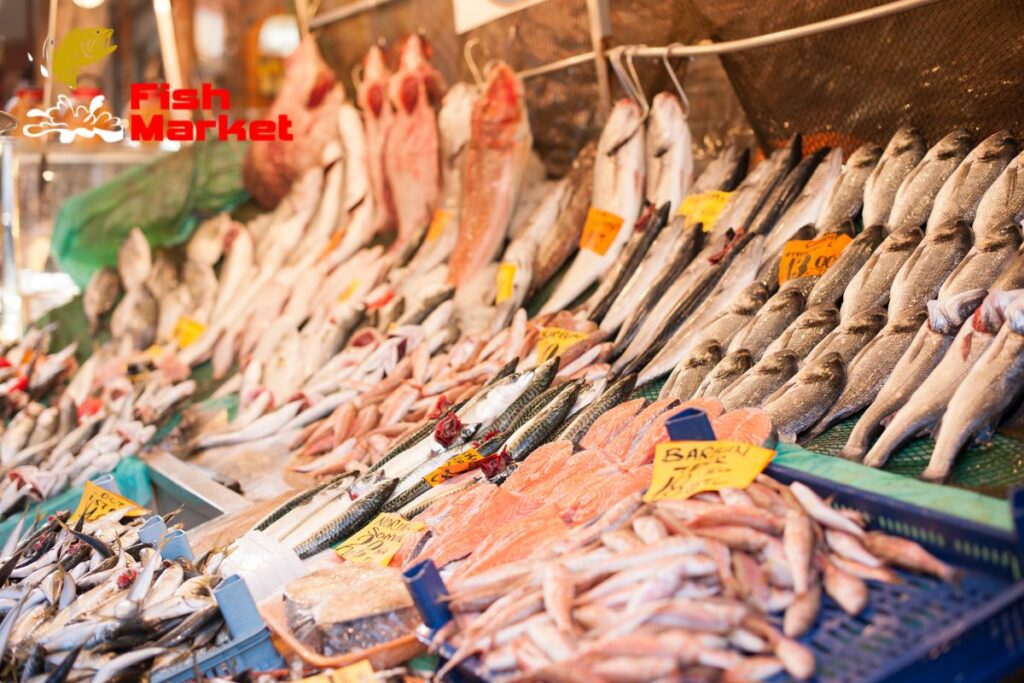
Tides, Tastes, and Traditions Shape Coastal Australia
Australia’s vast coastline does far more than frame the continent—it defines how people eat, trade, and connect with nature. With over 37,000 kilometers of shoreline, the country has evolved a seafood culture that blends ancient Indigenous knowledge, colonial trade routes, and modern sustainability science. At the heart of this relationship are the bustling Fish Market Australia experiences found across coastal cities and regional ports, where dawn landings, icy displays, and rapid-fire negotiations reflect the rhythm of the sea itself. These markets are not simply retail spaces; they act as cultural meeting points where fishers, chefs, scientists, and families converge. Alongside finfish, the Oysters Market in Australia showcases how geography and water quality shape flavor, while the Prawns Fish Market captures the festive, communal spirit of Australian summers. Together, these market spaces reflect how seafood in Australia is inseparable from place, history, and daily life.
Prawns and the Pulse of Australian Celebrations
Few foods are as emotionally charged in Australia as prawns. They symbolize summer holidays, beachside gatherings, and shared tables that stretch long into warm evenings. Within the Prawns Fish Market, variety is everything. King prawns are valued for their size and grilling strength, tiger prawns deliver sweetness with visual flair, and smaller school prawns offer affordability and nostalgia. What makes the Prawns Fish Market unique is its connection to both wild fisheries and advanced aquaculture systems. Australia has become a global leader in prawn farming technologies, using low-impact feed systems, water recycling, and disease monitoring to protect surrounding ecosystems. Seasonal availability also plays a role, with markets educating consumers on peak freshness periods. By the time prawns reach the Prawns Fish Market counter, they represent not just a meal, but a complex balance of science, tradition, and responsible harvesting.
Oysters as Edible Maps of the Coast
Oysters offer a quieter but deeply expressive seafood experience. In the Oysters Market in Australia, each shell tells a story shaped by currents, tides, and estuaries. Australian consumers increasingly appreciate oysters by origin, much like wine, recognizing differences driven by salinity, plankton density, and water temperature. Sydney rock oysters tend to be briny and bold, while southern varieties develop creamy textures and subtle sweetness. The Oysters Market in Australia also reflects innovation, with growers adopting off-bottom farming, solar-powered leases, and reef restoration projects that improve water quality. Unlike many seafood sectors, oyster farming actively enhances marine environments by filtering water and providing habitat. This makes the Oysters Market in Australia not just a place of commerce, but a showcase for how food production and ecological repair can coexist.
Sustainability and the Machinery Behind Freshness
Behind the visual abundance of seafood counters lies a carefully managed system designed to protect both quality and marine life. Modern Fish Market Australia operations rely on cold-chain logistics that move seafood from boat to buyer within hours, reducing spoilage and waste. Digital auctions, satellite tracking of vessels, and strict quota management now define the industry. The contemporary Fish Market Australia also places emphasis on transparency, with labeling that identifies catch zones, methods, and certification status. Consumers are increasingly informed, asking questions about bycatch, habitat impact, and seasonal sourcing. This shift has encouraged fisheries to align with global sustainability benchmarks while maintaining profitability. As a result, the Fish Market Australia model has become an example of how tradition can adapt to environmental realities without losing its cultural soul.
Markets as Cultural Classrooms and Future Guardians
Today, seafood markets are evolving beyond commerce into spaces of learning and community engagement. Cooking demonstrations, oyster shucking lessons, and sustainability workshops invite visitors to deepen their understanding of marine food systems. Indigenous voices are increasingly present, sharing knowledge that predates modern markets by thousands of years. These initiatives reinforce the idea that seafood is not just consumed, but respected. As climate change alters ocean temperatures and ecosystems, markets are stepping into advocacy roles—encouraging seasonal eating, supporting habitat restoration, and funding research. In doing so, Australia’s seafood markets act as guardians of continuity, ensuring that future generations can experience the same flavors, traditions, and coastal connections that define the nation today.


