
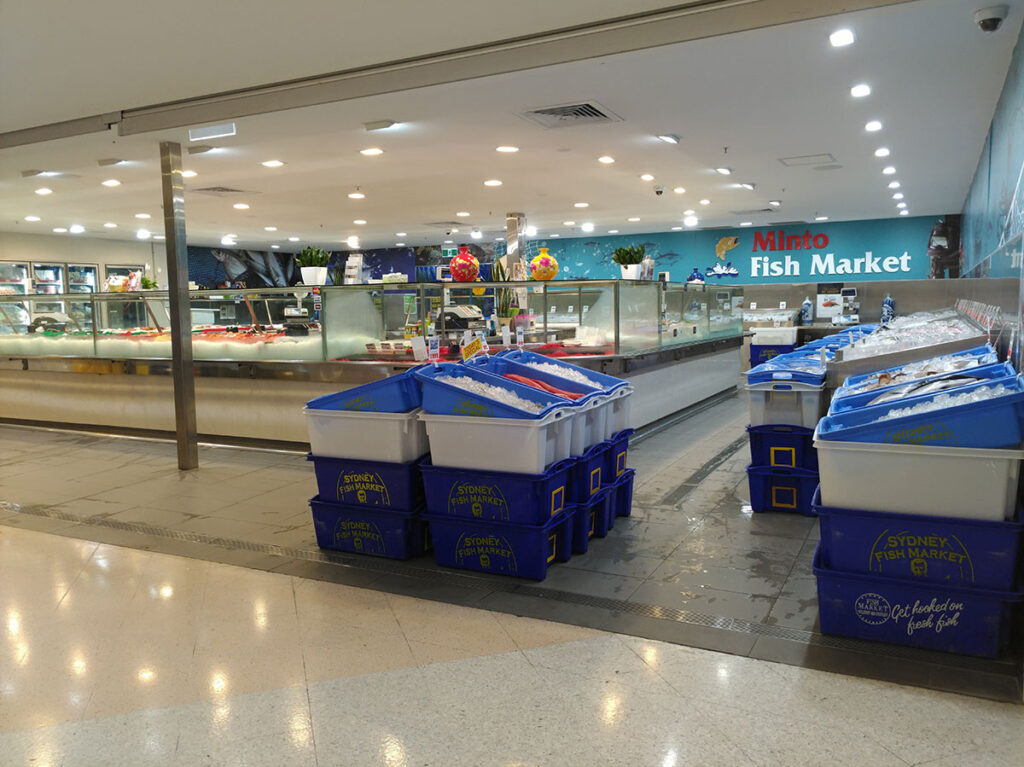
Australia’s coastline, stretching over 37,000 kilometers, is not just a natural wonder but a cultural epicenter where the ocean’s bounty shapes daily life. Central to this marine narrative are the bustling Fish Market Australia, where the rhythm of the tides meets the pulse of commerce and tradition. These markets are more than places to procure seafood; they are living archives of Australia’s relationship with its seas. From the clamor of early-morning auctions to the artistry of fresh catches displayed on ice, they encapsulate the nation’s identity. Here, the Oysters Market in Australia offers a window into the unique merroir of coastal regions, while the Prawns Fish Market buzzes with the energy of summertime feasts. The convergence of culture, ecology, and gastronomy in these spaces is as rich as the ocean itself.
The Prawn Chronicles: Red Gold of Australian Waters
No seafood tale in Australia is complete without a spotlight on prawns. Revered for their succulence and versatility, they dominate the Prawns Fish Market and the nation’s culinary imagination. During summer, when barbecues ignite across the country, prawns take center stage. The Prawns Fish Market in bustling hubs like Sydney or Darwin is a kaleidoscope of color: King Prawns, with their plump, ruby-red shells, are prized for grilling, while Tiger Prawns, marked by their eye-catching stripes, deliver a sweet, briny bite. Smaller School Prawns, often enjoyed cold and peeled, evoke nostalgia at family gatherings. Yet prawns are more than a delicacy—they are a testament to Australia’s thriving marine ecosystems. Their abundance reflects sustainable practices, with fisheries certified by bodies like the Marine Stewardship Council ensuring long-term viability.
Oysters as Ambassadors of the Sea: A Taste of Place
While prawns capture the essence of communal joy, oysters speak to a more refined, almost poetic connection to the ocean. The Oysters Market in Australia is a stage where the concept of merroir—the oceanic equivalent of a wine’s terroir—comes to life. Each shellfish variety tells the story of its origin: Sydney Rock Oysters, briny and bold, reflect the salinity of their estuaries, while Tasmanian Pacific Oysters bloom with creamy, nutty flavors shaped by cold currents. In markets like Melbourne or Fremantle, growers often interact directly with customers, sharing how local water temperatures and mineral compositions influence taste. A visit to the Oysters Market in Australia is akin to a culinary journey, with each bite mapping out Australia’s coastal geography, from the crisp purity of Coffin Bay oysters to the rich, umami depth of Port Stephens varieties.
Sustainability: The Seafood Industry’s Silent Symphony
Beneath the vibrant displays and briny aromas lies a critical thread: sustainability. Australia’s Fish Market Australia is increasingly a beacon of eco-consciousness, with labels detailing catch methods, regions, and certifications. This transparency is a response to both consumer demand and environmental necessity. For instance, the Prawns Fish Market now prioritizes aquaculture techniques that minimize ecological impact, while wild-caught species adhere to strict quotas. Cold-chain logistics, which ensure peak freshness from boat to stall, also play a role in reducing waste. Markets in Brisbane and Perth showcase initiatives like “Seafood with a Story,” where vendors educate buyers about overfishing risks and climate change. This shift reflects a broader cultural ethos: that enjoying the ocean’s gifts requires stewardship.
From Dock to Plate: The Logistics Behind the Magic
The freshness synonymous with Australia’s seafood markets is no accident but the result of a meticulously coordinated system. Each morning, wholesale auctions kick off at 4 a.m., with buyers scrambling for the night’s catch. By midday, these marine treasures—whether King Prawns from Spencer Gulf or Tuna from the Coral Sea—are on retail counters, having traveled via air and road networks optimized for speed. For delicate products like oysters, temperature-controlled transport is non-negotiable. In major cities, the Fish Market Australia functions as a logistical hub, where Barra-mundi from the Northern Territory or Rock Lobsters from the south coast meet eager chefs and home cooks. This infrastructure ensures that Australia’s seafood remains a symbol of immediacy and quality, reinforcing the market’s role as a bridge between land and sea.
Markets as Cultural Laboratories: Cooking Up Community
Australia’s seafood markets are evolving into multifaceted cultural landscapes. Beyond the stalls, they now host cooking demonstrations, sushi-making classes, and even seafood pairing masterclasses. In Sydney’s Fish Market Australia, visitors can learn to fillet a Barramundi or craft a paella while in Perth’s Oysters Market in Australia, oyster shucking workshops offer hands-on lessons. These experiences transform markets into community hubs, blending education with culinary creativity. The Prawns Fish Market in Darwin, for instance, hosts Indigenous-led storytelling sessions that trace prawn fishing traditions through generations. Such initiatives not only celebrate Australian multiculturalism but also foster appreciation for the sea’s role in shaping national identity.
Guardians of the Tide: Preserving Future Feasts
As climate change and overfishing threaten marine ecosystems, seafood markets are stepping up as stewards of the future. Many Fish Market Australia venues now display real-time sustainability reports, while oyster growers in the Oysters Market in Australia experiment with carbon-neutral cultivation. Educational kiosks explain how to choose seasonal, locally sourced ingredients, and the Prawns Fish Market is championing hatchery programs to replenish wild stocks. These efforts are more than symbolic; they are part of a growing movement to ensure that Australia’s seafood heritage thrives. By marrying tradition with innovation, markets are proving that preserving the ocean’s gifts is as vital as enjoying them.
In the end, Australia’s seafood markets are microcosms of a nation deeply entwined with its seas. From the sizzle of prawns on a grill to the delicate taste of an oyster, each element reflects a culture that values the ocean not just as a resource but as a partner in life. Whether through bustling auctions, sustainability practices, or community-driven experiences, these markets continue to honor—and redefine—Australia’s marine legacy.


