
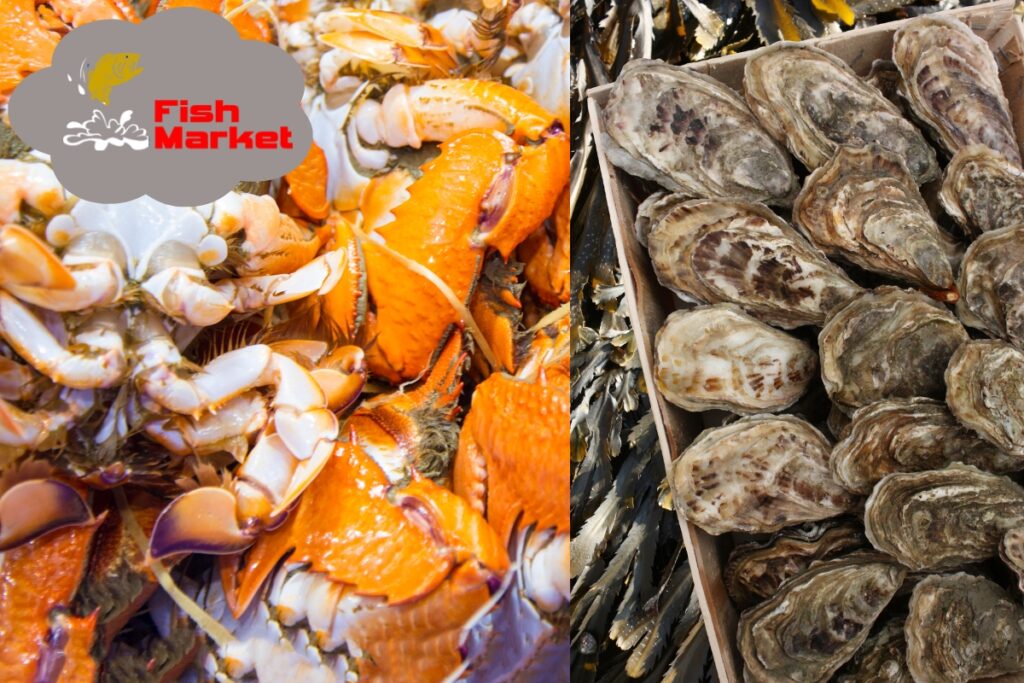
Australia possesses one of the world’s longest coastlines spanning more than 34000 kilometres and supporting industries worth billions of dollars every year. Beyond tourism the nation’s coastal economy now depends on advanced aquaculture renewable energy marine technology and digital logistics. Governments researchers and private enterprises are investing heavily in innovation that strengthens economic resilience while protecting fragile marine ecosystems. As climate challenges intensify industries are adopting smarter practices that improve productivity without sacrificing sustainability. The growing Oysters Market in Australia reflects how traditional marine industries are evolving alongside modern technologies to meet increasing domestic and international demand.
Innovation Is Reshaping Marine Industries
Artificial intelligence satellite monitoring underwater robotics and predictive analytics are changing how coastal businesses operate. Companies now collect real time ocean data to optimise harvesting schedules reduce waste and improve environmental compliance. Australian research institutions continue collaborating with global technology firms to develop smarter marine infrastructure. Microsoft and IBM have also supported cloud based solutions for environmental data management demonstrating how information technology has become essential for modern coastal industries. These technological advances reduce operational costs while increasing long term productivity across fisheries ports and aquaculture facilities.
Sustainable Aquaculture Is Becoming Australia’s Competitive Strength
Aquaculture has emerged as one of Australia’s fastest growing food production sectors. Oyster farming salmon cultivation mussel production and sustainable fish farming continue expanding as consumer demand increases worldwide. According to industry reports Australian seafood exports generate billions in annual revenue while premium quality remains a significant competitive advantage. The expanding Oysters Market in Australia demonstrates how sustainable farming techniques improve production without placing excessive pressure on natural fish populations. This balance between environmental responsibility and commercial success strengthens Australia’s global reputation.
Climate Challenges Demand Smarter Coastal Solutions
Climate change continues creating significant uncertainty for marine industries. Rising sea temperatures ocean acidification stronger storms and changing marine biodiversity present serious operational challenges. Coastal erosion threatens valuable infrastructure while unpredictable weather disrupts harvesting schedules. Government agencies alongside scientific organisations including the Commonwealth Scientific and Industrial Research Organisation continue investing in climate adaptation strategies. Data driven forecasting systems resilient marine infrastructure and ecosystem restoration projects help businesses minimise financial risks while supporting long term environmental stability.
Supply Chain Modernisation Is Driving Market Expansion
Australia’s seafood industry increasingly depends upon digital supply chains capable of maintaining freshness quality assurance and international compliance. Blockchain technology enables full product traceability from harvest to consumer improving transparency and strengthening export confidence. Cold chain logistics have become increasingly sophisticated allowing premium seafood to reach Asian European and North American markets faster than ever before. Digital inventory management also helps businesses reduce spoilage while increasing profitability across multiple distribution channels.
Retail Evolution Is Changing Consumer Expectations
Australian consumers increasingly seek sustainably sourced premium seafood supported by verified environmental certifications. Online grocery platforms subscription services and direct farm delivery models have transformed purchasing behaviour. Leading supermarket groups including Woolworths and Coles continue expanding responsibly sourced seafood selections while independent Seafood Retailers Australia strengthen customer relationships through local sourcing and premium quality offerings. Digital marketing personalised shopping experiences and transparent sourcing information now influence purchasing decisions more than traditional advertising.
Wholesale Markets Are Investing in Technology
The wholesale seafood sector serves restaurants exporters hospitality providers and retail businesses across Australia. Modern distribution centres increasingly use automation artificial intelligence and advanced refrigeration technologies to improve efficiency. Leading Seafood Wholesalers Australia are implementing digital ordering systems predictive demand forecasting and integrated logistics platforms that minimise delays and reduce operational expenses. These improvements support consistent product quality while strengthening Australia’s seafood export competitiveness in international markets.
Global Partnerships Continue Creating New Opportunities
Australia has strengthened seafood trade relationships with countries including Japan Singapore China South Korea and the United States. Premium Australian seafood commands higher prices due to strict food safety standards sustainable production and exceptional quality. Free trade agreements have improved export opportunities while international investors continue supporting advanced aquaculture developments. Companies collaborating across borders gain access to innovative farming techniques advanced processing equipment and broader consumer markets that support long term economic expansion.
Lessons from Norway Show the Value of Innovation
Norway’s seafood industry demonstrates how technological investment can transform national economic performance. By integrating artificial intelligence automated feeding systems environmental monitoring and advanced genetics Norway significantly increased aquaculture productivity while reducing environmental impact. Australian policymakers frequently examine these successful international models when developing future marine strategies. Similar investments across Australian coastal industries could generate stronger export growth increased employment and improved environmental outcomes over the coming decades.
Industry Leaders Believe Digital Transformation Is Essential
Many industry experts agree that digital innovation represents the future of sustainable marine industries. Former Microsoft Chief Executive Satya Nadella once stated that every company is becoming a software company because digital capabilities increasingly determine competitive advantage. That observation applies equally to fisheries aquaculture logistics and coastal management. Businesses embracing cloud computing automation predictive analytics and environmental intelligence consistently outperform competitors relying upon traditional operating models. Innovation has become a necessity rather than an optional investment.
Market Challenges Still Require Strategic Collaboration
Despite impressive progress several obstacles remain. Rising operational expenses labour shortages biosecurity threats global inflation and international trade uncertainty continue affecting profitability. Independent Seafood Retailers Australia often compete against larger supermarket chains with greater purchasing power while smaller Seafood Wholesalers Australia face increasing transportation and refrigeration costs. Industry collaboration government investment workforce training and technology adoption provide practical solutions that strengthen resilience across every level of the seafood supply chain. Public private partnerships also accelerate research commercialisation and sustainable infrastructure development.
A Future Built on Sustainable Prosperity
Australia’s coastal economy stands at an exciting turning point where environmental stewardship and technological innovation increasingly work together rather than competing against one another. Investments in renewable energy smart aquaculture digital logistics marine research and sustainable resource management continue creating new economic opportunities. Businesses that embrace innovation while protecting natural ecosystems will remain competitive in global markets for decades ahead. Australia’s ability to balance profitability sustainability and scientific advancement positions the nation as one of the world’s most promising blue economy leaders while inspiring future generations to preserve and benefit from its remarkable coastal resources.
FAQs
- Why is Australia’s coastal economy becoming more important?
It supports exports innovation sustainable industries and long term economic growth. - What drives growth in Australia’s oyster industry?
Sustainable farming premium quality and increasing international consumer demand. - How does technology improve seafood businesses?
It enhances traceability efficiency logistics forecasting and environmental monitoring. - Why are sustainable seafood practices important?
They protect marine ecosystems while ensuring reliable future seafood production. - What is the biggest opportunity for Australia’s blue economy?
Combining digital innovation with sustainable marine resource management for global competitiveness.


