
Australia’s coastline is far more than a geographical feature—it is a vibrant source of culture, livelihood, and unforgettable flavors. Stretching across thousands of kilometers, the coast influences daily life in ways that many visitors find fascinating. Here, the ocean is not simply admired from a distance; it actively shapes traditions, local economies, and culinary experiences. The rise and fall of tides determine when fishermen head out, when seafood is harvested, and even what appears on restaurant menus. This remarkable relationship between nature and cuisine creates an authentic coastal lifestyle where every meal reflects the rhythm of the sea. For travelers and food enthusiasts alike, exploring Australia’s coastal food culture offers a unique opportunity to experience the nation through its freshest and most celebrated ingredients.
Coastal Markets: Where Freshness Meets Community
One of the best ways to understand Australia’s seafood heritage is by visiting a bustling Fish Market Australia destination. These lively spaces are much more than places to purchase seafood. They are social hubs where fishermen, chefs, families, and tourists come together to celebrate the day’s catch. Walking through the aisles, visitors are greeted by displays of sparkling fish, shellfish, and crustaceans that have often arrived directly from nearby waters. The atmosphere is energetic and welcoming, creating a sensory experience filled with ocean aromas, lively conversations, and culinary inspiration.
Markets also play an important role in educating consumers about sustainable seafood choices. Buyers gain insight into seasonal catches and responsible sourcing practices while supporting local fishing communities. Every visit to a Fish Market Australia venue becomes a lesson in freshness, quality, and the deep connection between coastal communities and the ocean that sustains them.
Prawns: Australia’s Beloved Seafood Celebration
Among Australia’s most cherished seafood treasures, prawns occupy a special place. Whether served chilled, grilled, or incorporated into creative gourmet dishes, they are a staple of coastal dining. Visiting a renowned Prawns Fish Market allows visitors to appreciate the incredible variety and quality available throughout the country. From festive gatherings to casual beachside meals, prawns are often at the center of memorable culinary experiences.
Their popularity stems not only from their sweet flavor and tender texture but also from their versatility. Australian chefs continuously experiment with innovative recipes while preserving traditional preparation methods that have been enjoyed for generations. At a bustling Prawns Fish Market, customers can witness firsthand how carefully sourced seafood becomes the foundation of extraordinary meals. The experience highlights the importance of freshness and demonstrates why prawns remain one of the most sought-after ingredients in Australian cuisine.
Discovering the Unique Character of Australian Oysters
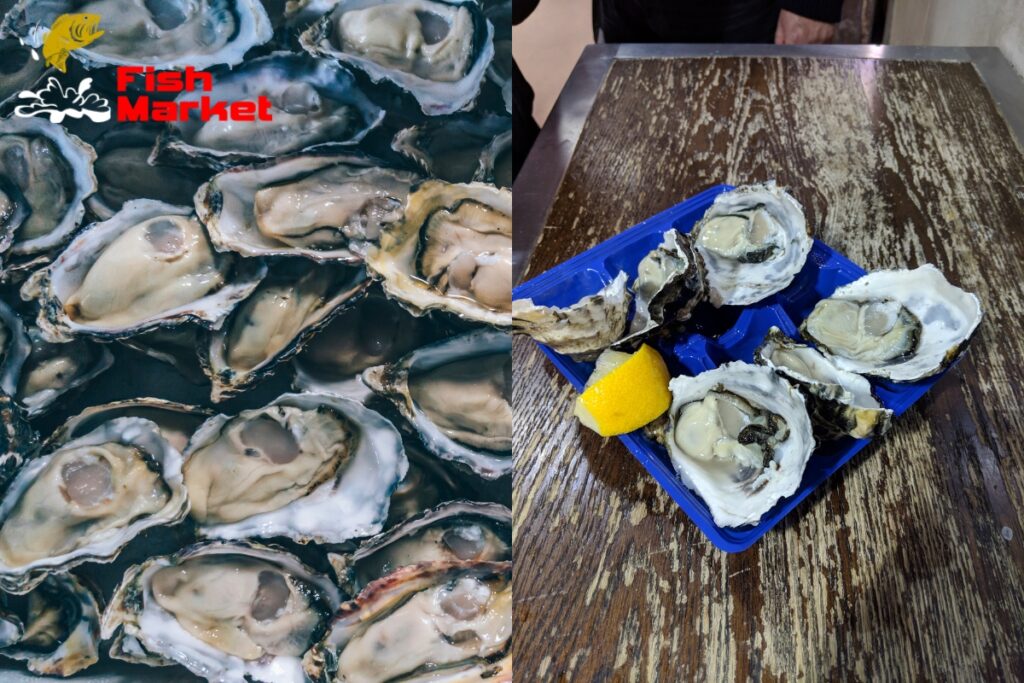
For those seeking a more refined seafood experience, oysters offer a fascinating journey through Australia’s coastal environments. Every oyster reflects the characteristics of the waters in which it grows, creating subtle differences in flavor, texture, and aroma. Visiting an Oysters Market in Australia provides an opportunity to explore these distinctions while learning about the regions that produce them.
Many seafood enthusiasts describe oyster tasting as similar to sampling fine wine. Environmental conditions such as water temperature, salinity, and nutrient levels contribute to each oyster’s unique profile. An Oysters Market in Australia introduces visitors to this concept by showcasing products from multiple coastal regions. The result is an engaging culinary adventure where every shell reveals a story about its origin and the ecosystem that nurtured it.
How Tides Shape Australia’s Culinary Identity
Australia’s coastal cuisine is deeply influenced by natural cycles. Tidal movements determine which species are available at different times, encouraging a dynamic and seasonal approach to cooking. This constant change inspires chefs to remain creative and adaptable, designing menus around the freshest ingredients available each day.
Generations of fishing families have developed a profound understanding of these patterns, passing valuable knowledge from one generation to the next. Modern culinary professionals continue to embrace these traditions while introducing innovative techniques and presentations. The outcome is a food culture that respects heritage while welcoming evolution. Diners benefit from an ever-changing selection of seafood dishes that celebrate both nature’s unpredictability and Australia’s culinary ingenuity.
Sustainable Seas for Future Generations
As appreciation for seafood continues to grow, so does awareness of the need to protect marine ecosystems. Coastal communities across Australia are actively working to preserve ocean resources through responsible fishing methods, habitat conservation, and environmentally conscious aquaculture. Sustainability is no longer viewed as an optional practice but as a critical component of the seafood industry’s future.
Consumers also play an important role in this effort. By choosing responsibly sourced products and supporting ethical suppliers, they contribute to healthier oceans and stronger coastal economies. Many seafood vendors now provide detailed information about sourcing and harvesting methods, helping customers make informed decisions. This collaborative approach ensures that future generations can continue enjoying the same rich coastal bounty that defines Australia’s culinary landscape today.
The Ultimate Coastal Food Adventure
Exploring Australia’s shoreline through food is one of the most rewarding travel experiences imaginable. Visitors can begin their journey at a famous Fish Market Australia destination, sample premium prawns from a respected Prawns Fish Market, and savor freshly harvested oysters at an acclaimed Oysters Market in Australia. Each stop offers a deeper understanding of the nation’s relationship with the ocean and the communities that depend upon it.
Beyond the food itself, these experiences reveal stories of tradition, resilience, innovation, and environmental stewardship. Coastal cuisine becomes a gateway to understanding Australia’s identity, connecting people to landscapes, cultures, and generations of maritime heritage. Whether enjoying seafood beside a harbor or discovering hidden coastal gems, every experience contributes to a richer appreciation of Australia’s extraordinary shoreline.
Summary and FAQs
Australia’s coastal food culture is a remarkable reflection of the ocean’s influence on everyday life. The tides shape fishing schedules, seasonal harvests, and culinary traditions that have evolved over generations. From the vibrant atmosphere of seafood markets to the exceptional flavors of prawns and oysters, every element of the experience highlights freshness, quality, and community. Coastal markets connect consumers directly with producers, while sustainable practices help protect marine resources for the future. Together, these factors create a culinary landscape that is both dynamic and deeply rooted in tradition. Exploring Australia through its seafood offers travelers and food lovers a memorable journey filled with discovery, flavor, and cultural insight.
FAQs
- Why is seafood so important in Australian coastal culture?
Seafood is closely connected to Australia’s geography, economy, and traditions, making it a central part of coastal lifestyles and cuisine. - What makes Australian oysters unique?
Their flavor varies based on regional environmental conditions such as salinity, temperature, and water quality, giving each variety a distinctive character. - Why are seafood markets popular tourist attractions?
They provide fresh local produce, cultural experiences, direct interaction with fishermen, and insight into Australia’s seafood industry. - How does sustainability impact Australia’s seafood sector?
Sustainable fishing and aquaculture practices help protect marine ecosystems, support local communities, and ensure long-term seafood availability.


