
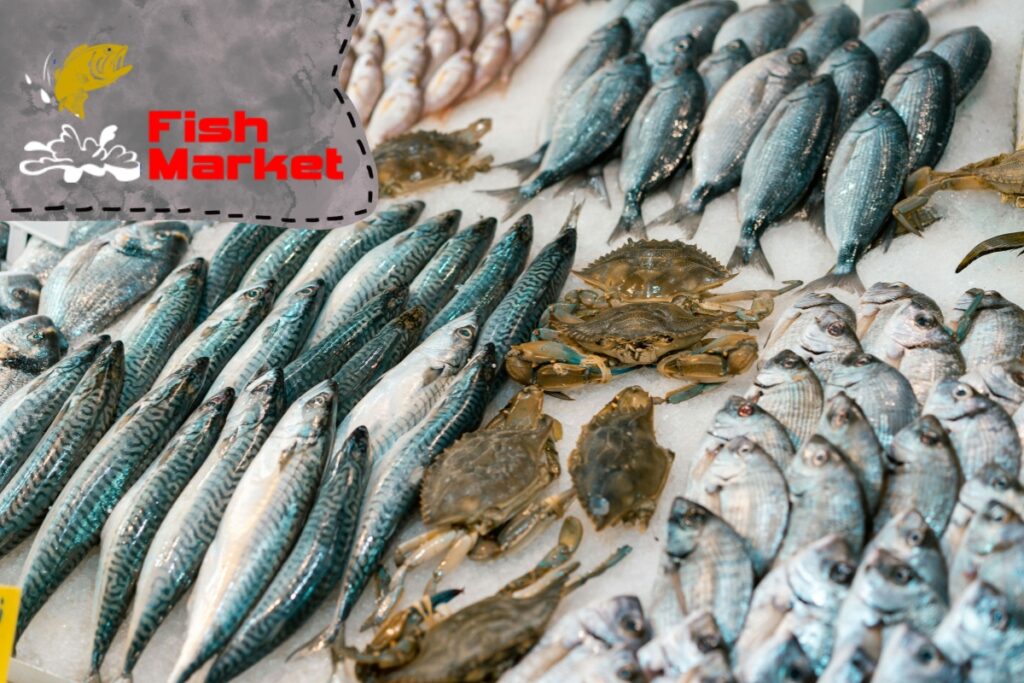
Australia’s Coastline Creates a Living Seafood Legacy
Australia possesses one of the world’s longest coastlines stretching over 34,000 kilometres and supporting one of the most diverse marine ecosystems on Earth. These waters have influenced Indigenous communities for thousands of years while continuing to shape the nation’s economy tourism and culinary identity. Every sunrise across the Pacific Southern and Indian Oceans brings new opportunities for commercial fishing aquaculture and sustainable seafood businesses. Coastal communities from Tasmania to Western Australia rely on marine resources that have become internationally respected for their freshness quality and environmental management. The modern Fish Market Australia industry reflects this combination of tradition innovation and strict quality standards that consumers increasingly expect. Whether supplying luxury restaurants export markets or neighbourhood retailers the industry continues adapting to changing consumer preferences and environmental responsibilities. Global demand for premium seafood has encouraged Australian producers to invest heavily in advanced cold chain logistics traceability systems and sustainable harvesting techniques. These investments strengthen Australia’s international reputation while supporting local employment and regional economic development. The nation’s seafood industry contributes billions of dollars annually through commercial fishing aquaculture seafood processing exports and tourism. As climate conditions change and customer expectations evolve industry leaders continue developing smarter management strategies that balance commercial success with marine conservation making Australia a respected global seafood supplier.
Sustainability Innovation and the Evolution of Coastal Seafood Markets
Australia has earned international recognition for implementing science based fisheries management that protects marine biodiversity while maintaining profitable seafood industries. Organisations such as the Australian Fisheries Management Authority work alongside state governments researchers universities and industry groups to establish fishing quotas seasonal restrictions and habitat protection programs. These policies help prevent overfishing while encouraging long term sustainability. The growing Oysters Market in Australia demonstrates how responsible aquaculture can increase production without placing additional pressure on wild fisheries. Oyster farming has become an important regional employer especially across New South Wales South Australia and Tasmania where clean coastal waters produce premium shellfish sought after by domestic and international buyers. Modern oyster farms increasingly use digital monitoring systems water quality sensors and environmental analytics to improve productivity while protecting surrounding ecosystems. According to industry reports Australian seafood exports continue reaching premium Asian markets where consumers value food safety traceability and environmental responsibility. Businesses increasingly adopt blockchain technology allowing buyers to verify product origins and harvesting practices. These innovations create greater consumer confidence while strengthening Australia’s competitive advantage against lower cost international seafood suppliers. Sustainable investment has therefore become not only an environmental priority but also a powerful commercial strategy for maintaining long term industry resilience.
Consumer Trends Global Competition and Australia’s Premium Seafood Advantage
Consumer behaviour has shifted dramatically during the past decade as buyers increasingly demand healthier protein sources responsibly harvested seafood and greater transparency throughout supply chains. This shift has benefited Australia’s premium seafood sector despite rising international competition from large exporting nations including Norway Vietnam Chile and China. The popularity of premium prawns lobster tuna oysters and barramundi continues growing among both domestic consumers and international restaurants. The expanding Prawns Fish Market represents one of the strongest performing categories because Australian prawns consistently achieve premium pricing through exceptional quality freshness and food safety standards. Major retailers including Woolworths and Coles increasingly promote certified sustainable seafood reflecting consumer awareness of responsible sourcing. Sydney Fish Market remains one of the largest seafood marketplaces in the Southern Hemisphere attracting thousands of visitors while serving restaurants wholesalers exporters and retailers every day. Market analysts note that Australia’s premium positioning allows producers to compete through quality rather than volume. This strategy becomes increasingly important as global seafood demand rises alongside population growth. However labour shortages fuel costs transportation expenses and climate variability continue creating operational challenges for producers. Addressing these issues requires stronger collaboration between governments technology providers seafood businesses and research institutions to ensure Australia’s premium reputation remains secure for future generations.
Challenges Facing Coastal Communities and Practical Industry Solutions
Although Australia’s seafood industry demonstrates remarkable resilience it continues facing complex economic and environmental pressures. Climate change influences ocean temperatures species migration breeding cycles and coastal ecosystems while extreme weather events disrupt harvesting schedules transportation and supply chains. Rising fuel prices also increase operating costs for commercial fishing fleets reducing profitability particularly for smaller family owned businesses. The modern Fish Market Australia network increasingly relies on digital forecasting satellite monitoring automated logistics and artificial intelligence to improve operational efficiency and reduce unnecessary costs. Universities and marine research organisations continue developing predictive technologies that assist fishermen in identifying sustainable fishing zones while reducing fuel consumption and environmental impact. At the same time governments encourage investment in aquaculture expansion to diversify seafood production beyond wild catch fisheries. The Oysters Market in Australia also illustrates how selective breeding disease management water quality research and advanced farming methods help increase productivity while maintaining premium quality. Industry experts frequently emphasise that innovation rather than expansion alone will determine future competitiveness. Investment in renewable energy smart refrigeration digital traceability and environmentally responsible packaging can significantly reduce operational expenses while meeting evolving consumer expectations. These practical solutions strengthen industry resilience while preserving Australia’s valuable marine resources for future generations.
Famous Success Stories Industry Leadership and Global Recognition
Australia’s seafood success reflects decades of collaboration between researchers commercial operators Indigenous communities government agencies and international trade partners. Sydney Fish Market has become an iconic destination attracting millions of visitors while showcasing Australia’s seafood diversity to global tourists. Celebrity chefs including Neil Perry have consistently promoted Australian seafood through internationally recognised restaurants demonstrating the commercial value of premium local ingredients. Export partnerships with Japan Singapore Hong Kong and the United States continue supporting industry growth despite changing global economic conditions. During recent international food exhibitions Australian seafood producers highlighted innovations in sustainable aquaculture premium shellfish and advanced seafood traceability systems receiving strong interest from overseas buyers. The expanding Prawns Fish Market continues benefiting from improved breeding programs advanced hatchery technologies and responsible farming practices that increase production while protecting surrounding ecosystems. International sustainability certifications further enhance Australia’s reputation among environmentally conscious consumers. Several marine scientists have stated that healthy oceans remain the foundation of future economic prosperity because environmental conservation directly supports commercial fisheries tourism and coastal employment. These real world achievements demonstrate that commercial success and ecological responsibility can develop together when supported by evidence based management technological innovation and industry cooperation.
Preserving Coastal Traditions While Building Tomorrow’s Seafood Economy
Australia’s relationship with the ocean extends far beyond commercial fishing because seafood remains deeply connected to culture family traditions Indigenous heritage tourism and regional identity. Coastal festivals seafood celebrations farmers markets and culinary events continue introducing consumers to fresh local products while strengthening community economies. Future growth depends upon maintaining healthy marine ecosystems embracing technological innovation supporting responsible aquaculture and encouraging informed consumer choices. The continued success of the Fish Market Australia sector reflects decades of investment in science education infrastructure and sustainability rather than simple resource extraction. Likewise the Oysters Market in Australia demonstrates how environmentally responsible aquaculture creates employment export opportunities and premium food experiences while preserving natural ecosystems. Industry forecasts indicate that demand for premium sustainable seafood will continue increasing across international markets providing Australia with valuable long term economic opportunities. Businesses that invest in innovation transparency environmental responsibility and customer trust will likely remain industry leaders. By balancing commercial ambition with responsible marine stewardship Australia continues setting an international example of how coastal traditions can inspire economic prosperity environmental protection and world class seafood excellence. This enduring relationship between people oceans and innovation ensures future generations will continue enjoying exceptional seafood while protecting the remarkable coastal environments that make Australia’s marine heritage truly unique.
FAQs
- Why is Australian seafood considered premium worldwide?
Because of strict sustainability standards high food safety and exceptional freshness. - What makes oyster farming important in Australia?
It supports regional economies while promoting environmentally responsible aquaculture. - Why are Australian prawns highly valued internationally?
They offer premium quality excellent taste and reliable food safety standards. - What are the biggest challenges facing Australia’s seafood industry?
Climate change rising costs labour shortages and supply chain disruptions. - How is technology improving Australian seafood markets?
Digital monitoring AI traceability and smart logistics improve sustainability and efficiency.


